
Understanding Sports Broadcasting
Definition and Importance of Sports Broadcasting
At its core, Sports Broadcasting is the transmission of sports events through various media channels, including television, radio, and online platforms. The importance of Sports Broadcasting cannot be overstated, as it plays a crucial role in connecting viewers to their favorite sports and teams, offering a platform for storytelling, and enhancing fan engagement. Through comprehensive coverage, expert commentary, and innovative presentations, sports broadcasters help elevate the viewer experience, making events accessible not just to local audiences but to viewers around the world.
Historical Overview of Sports Broadcasting
The journey of sports broadcasting began in the early 20th century when radio became a popular medium. The first sports broadcast occurred in 1921, featuring a boxing match, which set a precedent for the inclusion of real-time sports commentary. By the 1930s, radio broadcasts expanded to include baseball and college football games. The advent of television in the 1950s transformed sports broadcasting, pulling in vast audiences and paving the way for regular sports programming. The evolution continued through the digital age, where the rise of the internet and mobile streaming reshaped how fans consume sports content, making it more dynamic and interactive.
Key Players in the Sports Broadcasting Industry
Key players in the sports broadcasting landscape include television networks, online streaming platforms, sports leagues, and content creators. Major networks, such as ESPN and NBC Sports, have established themselves as leaders in delivering sports content to diverse audiences. Streaming services like Hulu, Amazon Prime Video, and DAZN have also emerged, catering to a growing number of cord-cutters and fans craving flexibility. Furthermore, partnerships between leagues and broadcasters play a significant role in shaping coverage, influencing everything from game scheduling to advertising revenue.
Essential Equipment for Sports Broadcasting
Camera Technology and Setup for Sports Broadcasting
High-quality camera technology is vital for effective sports broadcasting. Multicamera setups, often ranging from traditional broadcast cameras to specialty lenses for slow-motion and aerial shots, enrich viewer experience. High-definition (HD) and ultra-high-definition (UHD) cameras are now the standard, providing clearer images and enhancing the immersive quality of broadcasts. Moreover, the introduction of 360-degree cameras offers fans unique perspectives, allowing them to experience the action from various angles, thus making broadcasts more engaging.
Audio Equipment and Its Role in Sports Broadcasting
Audio quality is paramount in sports broadcasting. Clear and balanced sound ensures that commentary, crowd noise, and on-field sounds enhance the viewer’s experience without overshadowing one another. Essential audio equipment includes high-quality microphones, such as shotgun and lavalier mics, used for capturing commentary and interviews. Additionally, advanced mixing consoles help balance and control audio levels, ensuring that broadcasts maintain a professional standard, regardless of the environment.
Studio Design Considerations for Effective Broadcasting
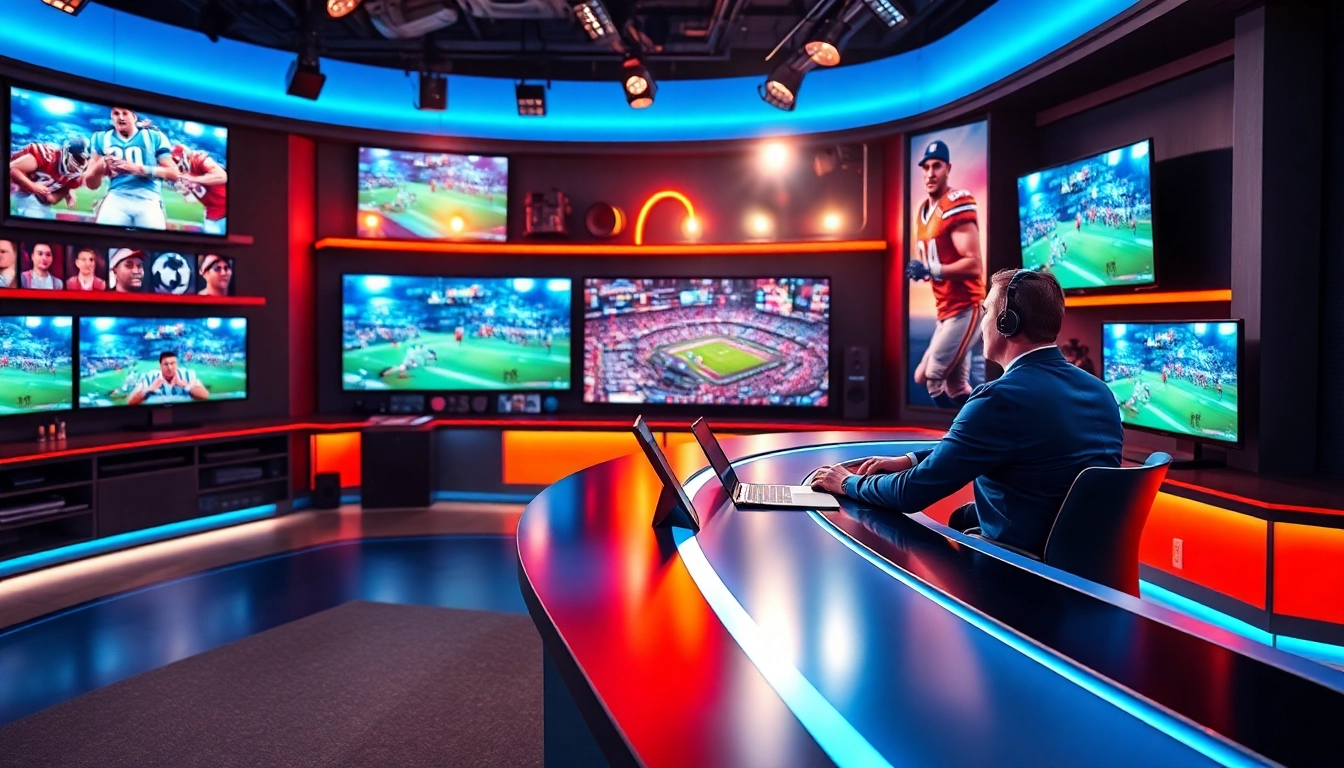
A well-designed studio is crucial for effective sports broadcasting. Factors to consider include acoustics, lighting, and visual aesthetics. Acoustic treatment prevents echo and sound distortion, ensuring clear audio. Lighting should be professional-grade to enhance on-camera talent without causing glare or unfavorable shadows. The visual design of the studio should also reflect the branding of the network or event, creating an inviting atmosphere that resonates with audiences while providing a clutter-free environment that keeps the focus on the sports content.
Adapting to Digital Trends in Sports Broadcasting
Streaming Services and Their Impact on Sports Broadcasting
The surge in streaming services has revolutionized sports broadcasting by democratizing access to a vast range of sports content. Services like ESPN+ and YouTube TV offer exclusive rights to various leagues, constantly reshaping viewership patterns. The flexibility of on-demand content allows fans to engage with sports in ways previously unimaginable, and services can cater to specific demographics with tailored content. As technology advances, broadcasters must continually adapt their strategies to align with shifting consumer trends and behaviors.
The Role of Social Media in Sports Broadcasting
Social media platforms have become integral to the sports broadcasting ecosystem by facilitating real-time interactions between fans and teams. Platforms like Twitter, Instagram, and TikTok allow broadcasters to share highlights, engage with fans, and promote broadcasts creatively. This engagement extends beyond typical broadcasting through live-streamed events, behind-the-scenes content, and interactive features that drive audience participation. As such, brands that effectively leverage social media can enhance viewer engagement, promoting a more integrated sports viewing experience.
Data Analytics and Viewer Engagement
Data analytics plays a crucial role in enhancing viewer engagement through personalized content delivery. By analyzing viewer behavior, interests, and demographics, sports broadcasters can tailor their offerings to better match audience preferences. This approach helps identify popular segments, optimize content delivery times, and even tailor advertising efforts to ensure relevancy. The result is a more engaging viewing experience that can drive higher ratings, increased ad revenue, and ultimately, stronger connections with audiences.
Challenges Facing Sports Broadcasting Today
Dealing with Licensing Issues in Sports Broadcasting
Licensing issues pose significant challenges in sports broadcasting, particularly regarding content rights management. The complexity of various leagues and athletes’ contracts can lead to disputes, impacting how and where content is distributed. Broadcasters must navigate these licensing agreements meticulously to ensure they have the rights needed to air specific events while maximizing revenue streams. Finding a balance between securing exclusive rights and providing comprehensive coverage is a delicate dance that requires strategic partnerships and negotiation skills.
Maintaining Viewer Trust and Credibility
Viewer trust is the bedrock of sports broadcasting credibility. The rise of misinformation, particularly on social media, has made it increasingly vital for broadcasters to ensure they present accurate, reliable information. This includes verifying sources, fact-checking commentary, and providing transparency around any potential biases. Building a reputation for integrity and dependability is essential for attracting and retaining viewers in an age where competition for attention is fierce.
Adapting to Evolving Consumer Preferences
As consumer preferences continue to evolve, sports broadcasters must stay ahead of the curve to remain relevant. This may mean adapting content to suit new platforms, developing interactive viewing experiences, and diversifying content offerings. For example, addressing a younger audience’s expectations for quick access to highlights and instant updates can drastically reshape programming strategies. Broadcasters who embrace change and continue to innovate will be better positioned to meet the needs of today’s sports fans.
Future Trends in Sports Broadcasting
Virtual Reality and Immersive Experiences in Sports Broadcasting
The future of sports broadcasting will likely see increased reliance on virtual reality (VR) technology to create immersive viewing experiences. VR allows fans to experience games as if they were on-site, enhancing excitement and bringing an unparalleled level of immersion to the home viewer. As this technology becomes more affordable and accessible, more broadcasters are expected to incorporate VR elements into their offerings, thus engaging fans on a new level and forever altering the traditional viewing experience.
Artificial Intelligence in Content Creation for Sports Broadcasting
Artificial intelligence (AI) is set to revolutionize content creation in sports broadcasting. From automated highlights to data-driven analysis, AI can enhance how broadcasters deliver content to viewers. For instance, AI can help streamline the editing process, generating highlight reels faster and with more accuracy. Furthermore, AI systems can analyze games for trends and insights, assisting commentators and analysts in generating compelling narratives during broadcasts, thus refining the overall viewing experience.
The Future of Audience Interaction and Engagement
Audience interaction and engagement are expected to evolve significantly in the coming years. Innovations such as augmented reality (AR) features, interactive polls, and chat-based commentary can further entrench viewers in the experience. Broadcasters may also explore more personalized content recommendations driven by ai algorithms that understand individual viewer preferences. This likely creates a more dynamic sports viewing culture, allowing fans to not only watch but participate in the experience actively.
Frequently Asked Questions
What is sports broadcasting?
Sports broadcasting refers to the transmission of sports events via television, radio, or online platforms, enabling audiences to engage with live events and sports news.
How has technology changed sports broadcasting?
Technology has enhanced sports broadcasting through high-definition video, live streaming, and interactive features on social media, enriching the viewer experience.
What are the main challenges in sports broadcasting?
Challenges include licensing issues, maintaining viewer trust, and adapting to changing consumer preferences, which require strategic approaches for broadcasters to overcome.
How is AI used in sports broadcasting?
AI is employed for creating highlights, analyzing game data, and enhancing viewer interaction by personalizing content recommendations and improving commentary accuracy.
What trends will shape the future of sports broadcasting?
Future trends include the integration of virtual reality, expanded audience engagement through digital platforms, and ongoing adaptations to viewer preferences and technology.